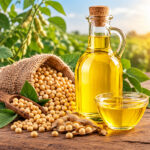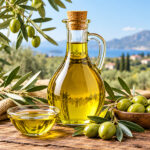

A restaurant needs more than skilled cooks and fresh ingredients to serve good food consistently. The oil used for frying, roasting, baking, and sautéing also matters. A dependable Cooking Oil Distributor helps restaurant owners get the right oils in the right quantity, at the right time. This support can make daily kitchen work easier and help control supply problems. In the Netherlands, restaurants serve many kinds of dishes, so their oil needs may change with the menu and cooking method. A steady supplier can help them plan orders, compare suitable options, and keep useful stock on hand. Pure Oil Market offers a range of cooking oils, including olive, avocado, canola, peanut, corn, palm, sesame, and soybean oils. For restaurants reviewing their supply choices, pureoilmarket.com is a useful place to explore available products and make an enquiry. The right supplier can support smooth service and a better customer experience.
How a Reliable Distributor Makes Restaurant Operations Easier
Running a restaurant involves many daily tasks. Restaurant owners must manage staff, prepare food, serve customers, and check kitchen supplies. Cooking oil is one of the important items that should always be available. A reliable distributor makes this task easier by providing regular supply and helpful service.
Here are some ways a good supplier can support restaurant operations:
- Regular deliveries: Restaurants can receive oil when they need it and avoid last-minute problems.
- Bulk order options: Buying larger quantities can make stock planning easier.
- Product variety: Restaurants can choose oils for different recipes and cooking methods.
- Better communication: Clear updates help restaurant owners plan their orders.
- Consistent quality: A dependable supplier helps businesses maintain the same cooking standards.
These small things can make a big difference in a busy kitchen. When restaurant owners do not have to worry about oil supplies, they can spend more time improving food and customer service.
Choosing Cooking Oils for Different Restaurant Needs
Every cooking oil has its own taste, texture, and cooking uses. Some oils are suitable for frying, while others work well in salad dressings, baking, or light cooking. Restaurant owners should understand these differences before selecting products for their kitchens.
For example, olive oil can be used in dressings and many cooked dishes. Canola oil is a useful choice for different everyday cooking needs. Peanut oil is also used in several food preparations, depending on the recipe and customer requirements. Restaurants that prepare different types of food may need more than one oil.
Working with an experienced Avocado Oil Supplier can also help restaurants explore another option for their menus. Avocado oil has a mild taste and can be used for sautéing, dressings, and other cooking tasks. The best choice depends on the food being prepared, the cooking temperature, the flavour needed, and the restaurant’s budget.
Why Consistent Oil Quality Matters for Restaurants
Customers expect their favourite dishes to taste good every time they visit a restaurant. Cooking oil can affect the taste, smell, texture, and appearance of food. Using poor-quality or improperly stored oil may affect the final result. Restaurant owners should check the product label, packaging, expiry date, and storage instructions when buying cooking oil. They should also keep oil containers closed and store them in a clean, cool, and dry place, away from direct sunlight.
It is also important to check frying oil regularly and replace it when needed. Reusing oil for too long can affect food quality. Staff should follow proper kitchen procedures and keep records where required. In the Netherlands, food businesses must follow food hygiene rules and use a food safety plan based on HACCP principles or an approved hygiene code. Good supplier selection and proper storage practices can support these safety efforts.
Finding a Distributor That Offers Flexible Supply Options
Restaurant requirements can change throughout the year. A small cafe may need less oil than a busy hotel kitchen or a large catering business. Seasonal menus, special events, and customer demand can also change the amount of oil needed.
A suitable Canola Oil Distributor should be able to explain available products, packaging sizes, order quantities, and delivery arrangements. Restaurant owners should ask clear questions before choosing a supplier. They should also compare prices without ignoring product quality and service.
It is useful to check the following points:
- Does the supplier offer the type of oil your kitchen needs?
- Are the product details and labels clear?
- Can the supplier handle your regular order quantity?
- Are delivery times and charges explained clearly?
- Is customer support available when you have questions?
A flexible supply arrangement helps restaurants manage their stock more easily. It also reduces the risk of running out of important kitchen ingredients during busy service hours.
Building a Long-Term Relationship with a Trusted Oil Supplier
A good business relationship is built on trust, clear communication, and reliable service. Restaurant owners should work with suppliers who understand their needs and provide clear information about their products. A long-term relationship can make ordering easier because the supplier becomes familiar with the restaurant’s regular requirements. Restaurants can also explore different products as their menus grow. Working with a Peanut Oil Manufacturer can help businesses learn more about product options, packaging, and supply details when peanut oil is part of their menu planning.
Businesses looking for different cooking oil choices can explore the range available at pureoilmarket.com. Pure Oil Market lists several oil varieties for different kitchen requirements. Restaurant owners can review the available products and contact the company to ask about their specific needs. Before placing an order, it is always wise to confirm product specifications, availability, pricing, delivery arrangements, and relevant food safety information. A clear understanding of these details can help both sides build a smooth working relationship.
Frequently Asked Questions (FAQs)
- Why does a restaurant need a reliable cooking oil distributor?
A reliable distributor helps restaurants receive cooking oil on time, maintain stock, and manage regular kitchen needs without unnecessary supply problems. - How can restaurants choose the right cooking oil?
Restaurants should consider the recipe, cooking method, flavour, smoke point, product quality, and cost before selecting an oil. - Which cooking oils are commonly used in restaurants?
Olive, canola, sunflower, soybean, peanut, corn, and avocado oils are some options used in different types of food preparation. - Is buying cooking oil in bulk a good idea for restaurants?
Yes. Bulk buying can help restaurants manage regular demand and reduce frequent ordering. However, the quantity should match actual use and storage capacity. - How should restaurants store cooking oil?
Cooking oil should be kept in clean, properly closed containers in a cool, dry place away from direct sunlight and heat. - Why is cooking oil quality important for food businesses?
Good-quality oil helps maintain food taste, texture, and cooking results. Proper handling also supports food safety. - Can restaurants use different oils for different dishes?
Yes. Different oils have different flavours and cooking properties. Restaurants can select oils based on their recipes and kitchen needs. - What should restaurants check before choosing an oil supplier?
They should check product quality, packaging, pricing, order sizes, delivery arrangements, and customer support. - What food safety practices should restaurants in the Netherlands follow?
Restaurants must follow applicable food hygiene rules and work with a food safety plan based on HACCP principles or an approved hygiene code. - Where can restaurants explore different cooking oil options?
Restaurants can visit Pure Oil Market at pureoilmarket.com to explore available cooking oil varieties and contact the company for more product information.