
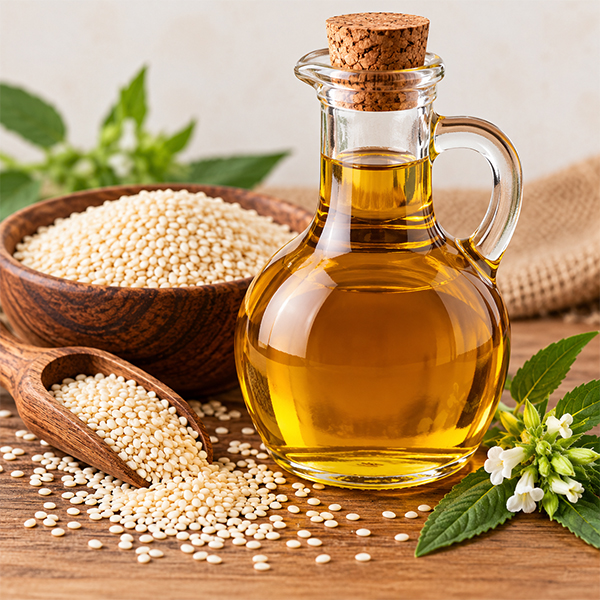
Why Businesses Need a Trusted Sesame Oil Supplier
Choosing the right Sesame Oil Supplier is important for food businesses that need dependable quality and regular deliveries. In the Netherlands, restaurants, food makers, retailers, and distributors need products that suit their recipes and customer needs. A reliable supplier should provide clear product details, suitable packaging, and honest information about stock and delivery times. Businesses can review the options available through pureoilmarket.com and confirm whether the products match their requirements. Before ordering, ask about ingredients, shelf life, storage, and quality documents. Taking time to check these details can reduce supply problems, support consistent food preparation, and support planning over time.
Benefits of Working with a Trusted Oil Supplier
A dependable oil source helps businesses plan orders, control stock, and keep work running smoothly. Buyers in the Netherlands should compare product specifications, package sizes, delivery costs, and minimum order quantities before choosing where to purchase. Businesses that need a wider range of cooking oils may also Buy Olive Oil Online from suitable sellers, depending on their menus and production needs. Useful points to compare include clear pricing, available stock, delivery schedules, payment terms, and customer support. Looking at the offer instead of price alone helps buyers understand the value they receive and choose products that fit their business requirements.
Key points to consider:
- Product quality and consistency
- Clear prices and order conditions
- Suitable packaging and quantities
- Reliable delivery schedules
- Helpful customer support
Why Oil Quality Matters for Food Businesses
Product quality matters because oil can affect the taste, aroma, and consistency of finished food. Before placing an order, businesses should read the product description and confirm whether the oil suits their intended use, such as dressings, marinades, sauces, or cooking. Ask for specifications, ingredient details, shelf-life information, and storage instructions. For businesses operating in the Netherlands, it is also important to check that products meet applicable European Union food safety and labelling rules. Keeping records of product documents and purchase details can make stock management easier. These checks help buyers make informed choices and maintain standards in food preparation.
Comparing Oil Prices, Packaging, and Delivery
Price is important, but it should be considered alongside quality, packaging, transport, and service. Businesses should request a written quotation that explains the price per unit, minimum order quantity, delivery fees, payment terms, and estimated arrival date. If a company buys several types of cooking oil, comparing an offer from a Sunflower Oil Wholesale Supplier may help it understand costs across its range. Dutch buyers should confirm delivery coverage and ask whether the supplier can provide relevant product and traceability documents. Comparing quotations makes it easier to estimate the real cost of an order and avoid charges.
Building a Strong Relationship with Your Supplier
Good communication helps businesses avoid delays and keep their shelves or production areas supplied. Before committing to regular orders, discuss expected volumes, order deadlines, packaging needs, and how changes will be handled. It is useful to agree on a clear contact method for questions about stock or delivery. Businesses can also keep copies of quotations, invoices, product specifications, and order confirmations for reference. Reviewing performance after several orders helps identify whether deliveries arrive on time and products match expectations. A professional relationship should be based on clear terms and realistic promises. Planning ahead can reduce urgent purchases and improve planning.
Choosing the Right Oil Supply Partner in the Netherlands
Choosing an oil supply partner requires checking product suitability, price, delivery arrangements, documentation, and communication. Businesses in the Netherlands should make sure the product fits their intended use and that any relevant food safety and labelling requirements are addressed. Buyers considering options on pureoilmarket.com should review the current product information and confirm availability, order quantities, shipping costs, and payment terms directly before placing an order. It is sensible to start with a clearly defined requirement and compare written offers from suitable suppliers. Careful checks can help a business manage stock, plan spending, and maintain a steady supply as demand changes.
Frequently Asked Questions (FAQs)
1. Why is a reliable oil supplier important for businesses?
A reliable supplier helps businesses maintain product quality, plan orders, manage inventory, and receive deliveries according to agreed terms.
2. Which businesses commonly purchase sesame oil?
Restaurants, food manufacturers, catering companies, retailers, and wholesalers may purchase sesame oil for different commercial uses.
3. What should buyers check before placing an order?
Buyers should review product specifications, ingredients, packaging, shelf life, storage instructions, prices, and delivery conditions.
4. Can sesame oil be used in commercial kitchens?
Yes. Depending on its type, sesame oil can be used in sauces, dressings, marinades, and various food preparations.
5. How can businesses compare oil prices?
They should compare written quotations, product quality, order quantities, shipping fees, packaging, and payment conditions.
6. What packaging options may be available?
Packaging depends on the seller and may include bottles, cans, drums, or larger food-grade containers.
7. What should businesses in the Netherlands consider when importing oil?
They should check applicable EU food safety, labelling, traceability, and import requirements for their products.
8. How can a business prevent stock shortages?
Businesses can monitor inventory, estimate future demand, set reorder levels, and arrange deliveries before stocks run low.
9. Can businesses purchase different cooking oils?
Yes. Depending on product availability, businesses may source sesame, olive, sunflower, and other cooking oils.
10. How can buyers check a supplier’s reliability?
They can review product documentation, written quotations, communication, delivery commitments, and verifiable business references.

Reviews
There are no reviews yet.